

What is leech therapy?

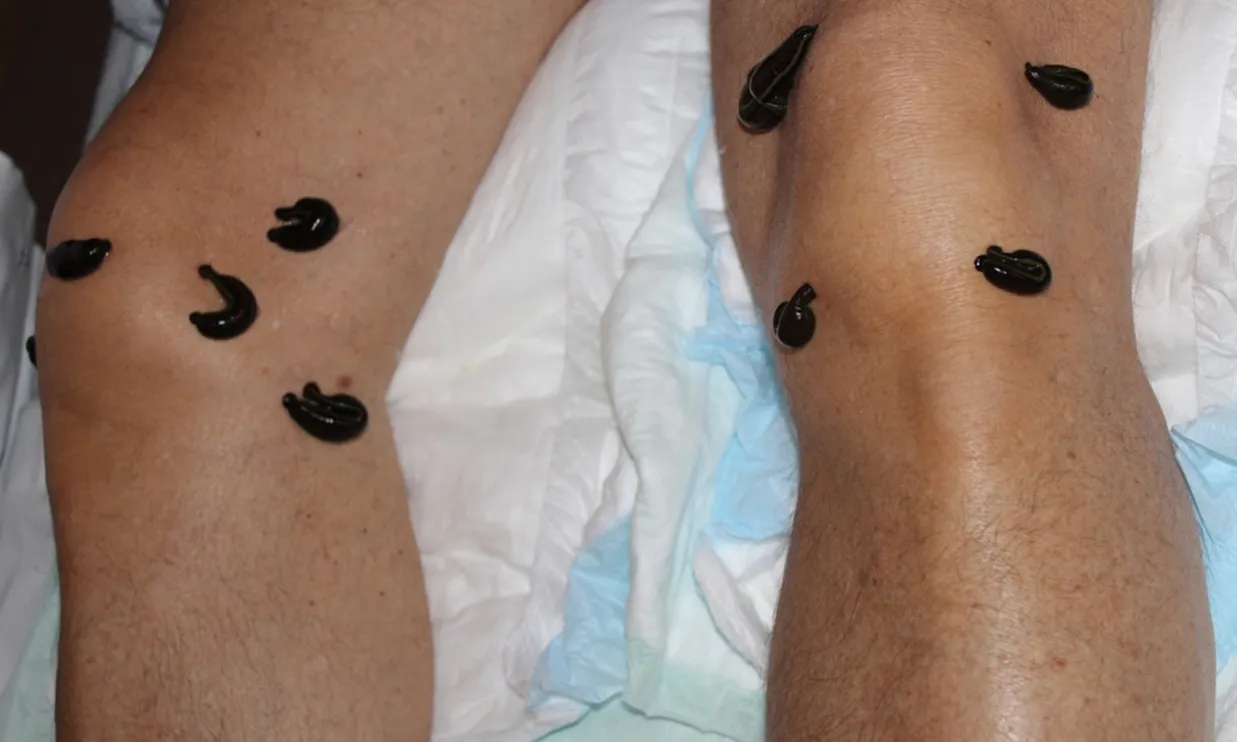
Leech therapy (also known as hirudotherapy) is a natural, safe treatment which utilises the healing properties of leeches. The healing properties of leeches have been known for hundreds of years. Leeches were used during medieval times because they were known to heal infections, before antibiotics were discovered.

In the last 20 years leeches have been rediscovered, and are scientifically better understood. Leech therapy has never gone out of use to treat a myriad of disorders and enhance wellbeing in the Middle East and in Eastern Europe, for example Poland, Germany, Russia and the Ukraine.

As more people in other European countries have rediscovered the remarkable healing properties of leeches, there has been a huge resurgence in hirudotherapy and it is now also practised in USA, New Zealand and Australia.
How does leech therapy work?
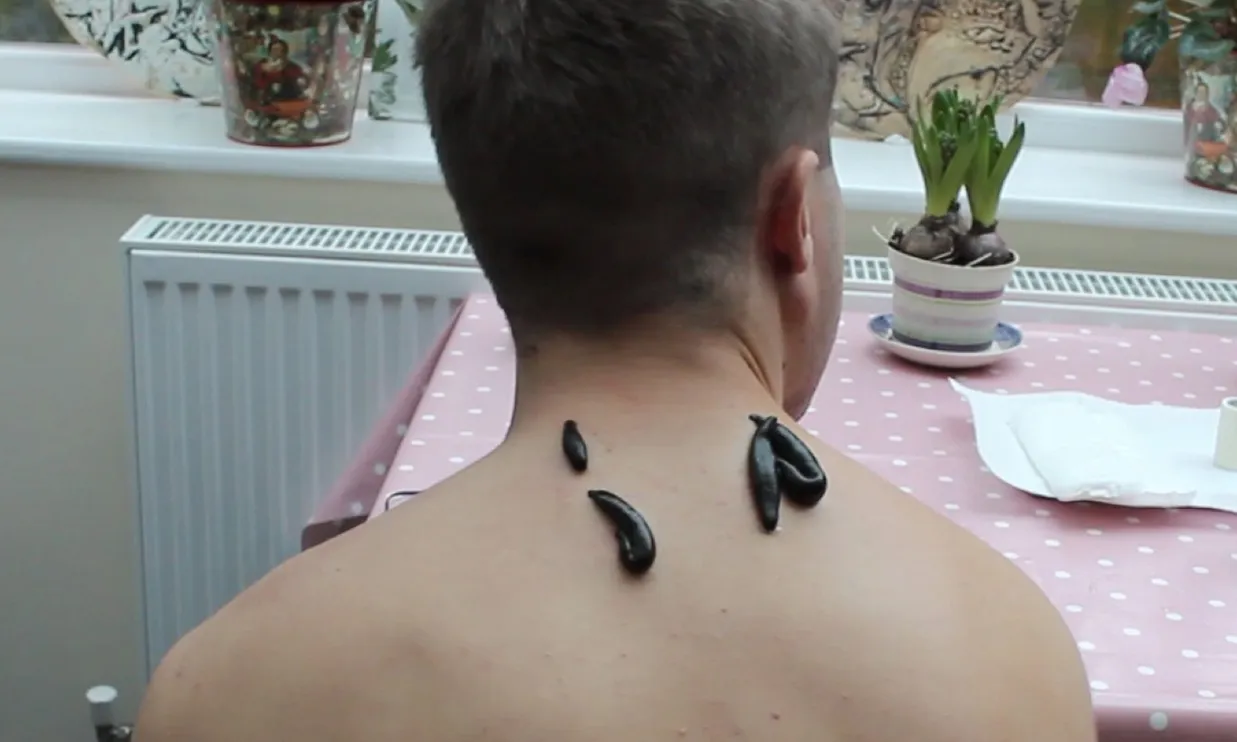
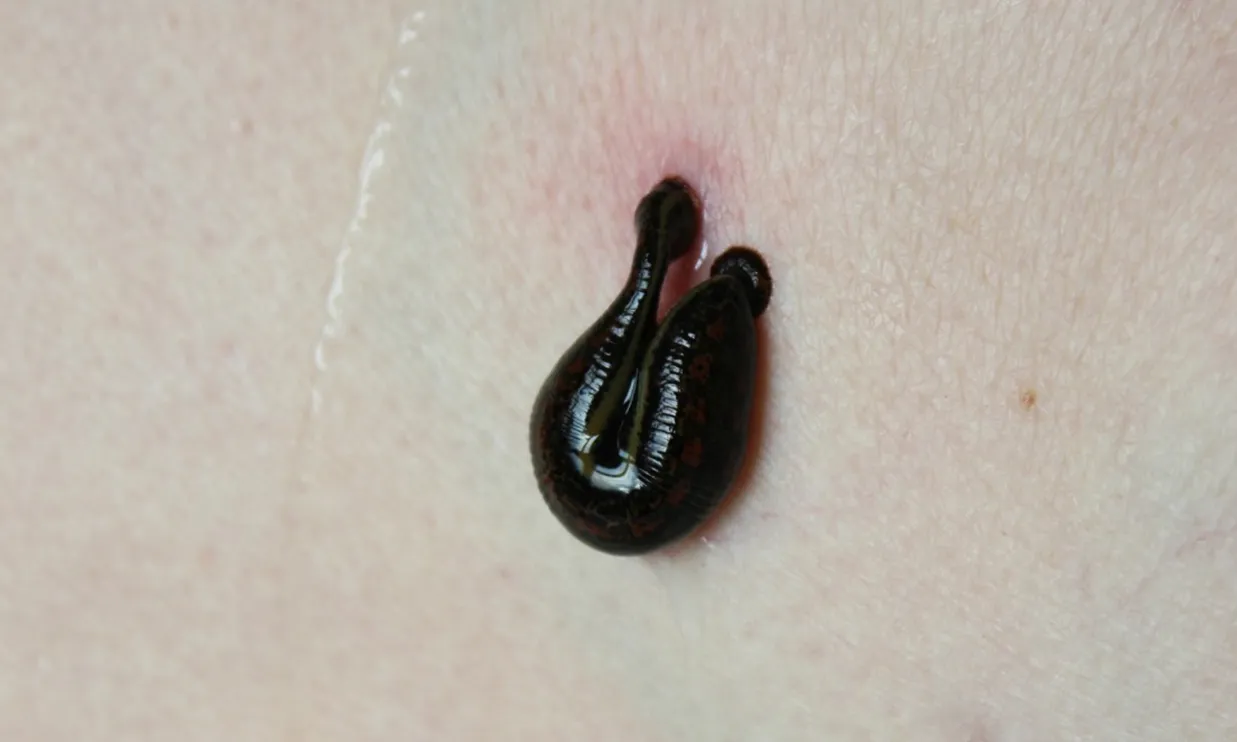
The principal mechanism of action in leech therapy appears to be the secretion of a complex mixture of biologically active substances from the salivary glands of the leech at the time of biting, and the injection of these active substances into the animal host. (Michalsen 2008)
When feeding, leeches secrete anticoagulant and vasodilatory agents (antiplatelet agents and factor Xa inhibitors) which allow blood to flow freely to the site, once the leech is detached
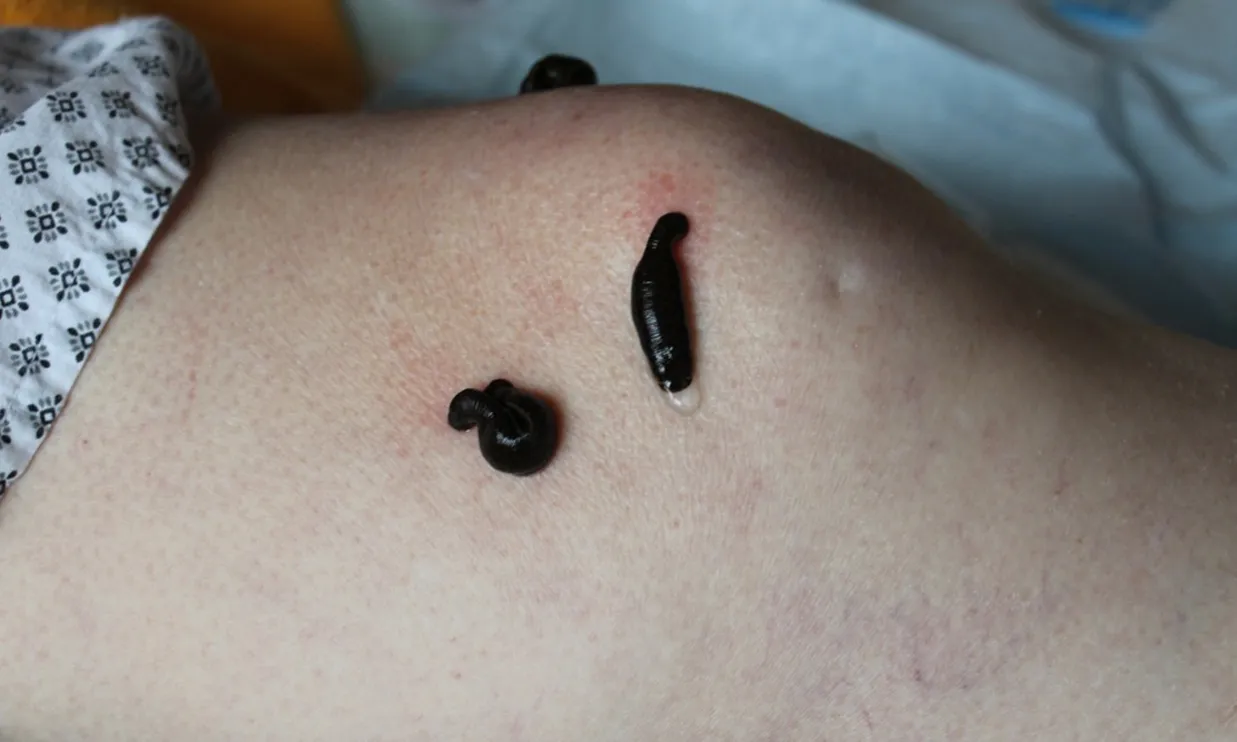
In addition, leeches secrete analgesic compounds into the site of attachment, along with various anti-inflammatory agents (fibrinolytic enzymes, collagenase, hyaluronidase). These serve to further promote healing.
Other bioactive substances secreted by leeches include bactericidal and bacteriostatic agents.
FREQUENTLY ASKED QUESTIONS
What are leeches?
Leeches belong to the phylum Annelida (segmented invertebrates), class Hirudinea. Three leech species, Hirudo medicinalis, Hirudo verbena and Hirudo orientalis have been widely used in Europe as therapy, to treat a variety of ailments.
Leeches live in ponds and rivers. They normally feed on decaying plant material. Before reproducing, they will take a single blood meal, usually from a passing mammal. The bite is almost painless, since while feeding, the leech injects a naturally-produced local anaesthetic.
Leeches have the ability to expand or contract their bodies. At a single meal, a leech ingests several times its own weight of blood. When it is replete (usually after about half an hour), it falls off the host, and then ‘rests’ for up to 6 months.
Our Leeches
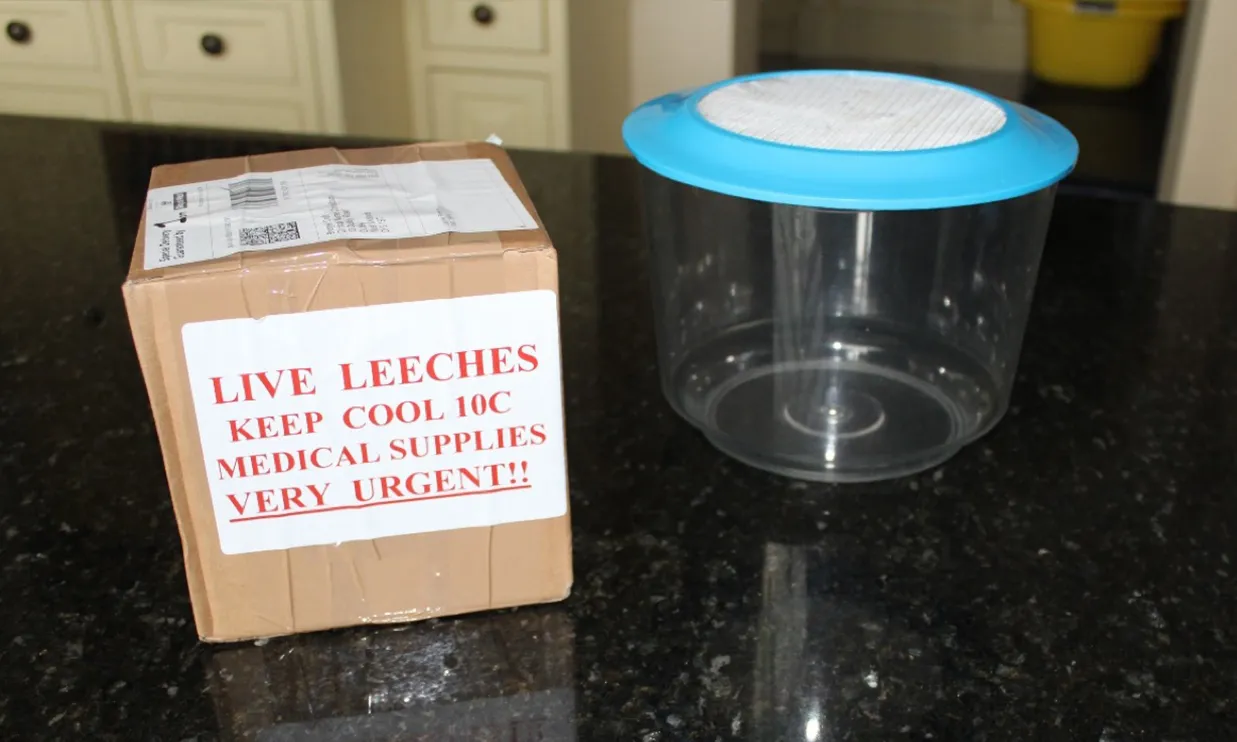
We use cultivated leeches that are supplied to us by medicinal leech farms. This is because the leeches are reared under strict controlled conditions and are free from any harmful pathogens.

A client’s account of her first appointment
‘I have suffered from psoriasis for the last 26 years and the biggest trigger for a flare-up is stress. I have moved counties and spent many months securing employment. Prolonged divorce proceedings have been very stressful.
During my psoriasis journey I have tried different ways of treating it: some treatments include various diets, steroid creams, herbal medicine, acupuncture and immunity modulates.
I am on a continuous journey for alternative solutions to alleviate my symptoms. This is how I found out about hirudotherapy and about Bridget, the leech therapist.
A dental treatment went wrong with charges of £10,000 (dental clinic denied any malpractice) and as a result of this experience I am now very thorough when choosing a health practitioner.
My investigations into leech therapy presented difficulties because the treatment involves living creatures (leeches) biting into the skin and remaining for a prolonged period of time (approx. one hour). The leech is a very beneficial parasite. My stress level escalated due to my divorce case, and I needed a specialist who not only possessed technical skills, but could provide support and reassurance.
The website for the leech clinic is very concise and clear. The testimonials are very positive. I decided to contact Bridget who was very understanding and reassuring therefore I made an appointment.
Bridget answered all my questions. I was still unsure whether I would go ahead with my appointment. I felt very apprehensive because some of the leeches were to be attached to my face.
The atmosphere of the clinic was very appealing. Bridget was very lovely and professional and what is most important is that she stays with the patient during the whole treatment. I trusted Bridget and proceeded with the treatment.
I did not regret my decision as the positive results on my psoriasis were swift. Much later, I experienced a flare up after receiving difficult news from my solicitors.
Since my first appointment I have had three more treatments which involved applying leeches to my face, elbows and abdomen. I have always had good results.
I have experienced an additional benefit from the treatment as my period pain was alleviated – this was not a further positive outcome that I expected from leech therapy.
I am very thankful to Bridget that she runs her clinic and shares her knowledge. I am hoping she will carry on doing so for many years to come’.
EB, Leicester (February 2025).